GUIDES
/
DigChic Spotlights/
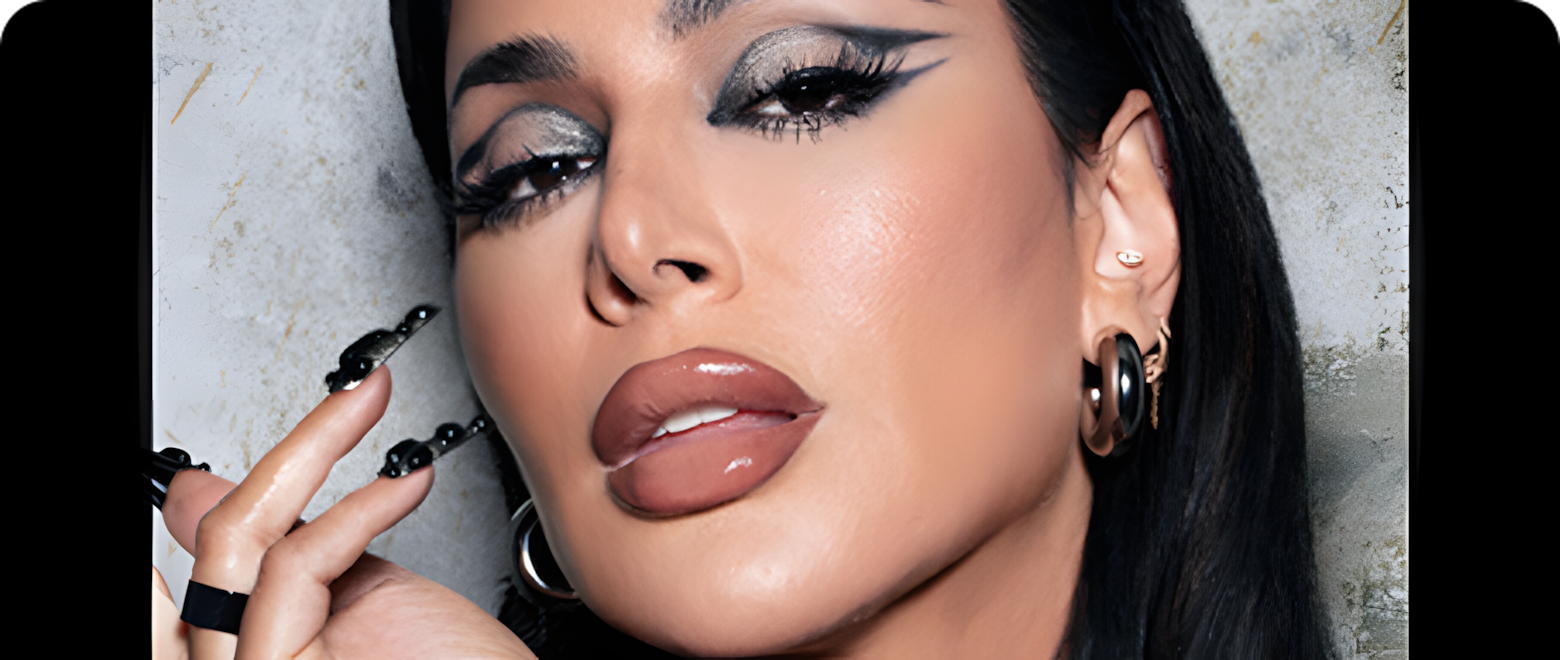
Beyond Everyday Beauty | Bold Looks from Celebrities, Fans, and Subcultures
Beyond Everyday Beauty | Bold Looks from Celebrities, Fans, and Subcultures

Published Jun 10, 2025
Beyond Everyday Beauty | Bold Looks from Celebrities, Fans, and Subcultures
Background and Objective
While natural and everyday makeup styles continue to dominate the mainstream, non-everyday makeup—characterized by bold colors, experimental textures, and artistic expression—has always held a firm and irreplaceable place in the beauty world. This makeup style isn’t just about aesthetics; it’s a powerful medium for self-expression, individual identity, and emotional storytelling.
Non-daily looks often emerge in specific social contexts—such as red carpet events, concerts, festivals, or social media challenges—where people are encouraged to break from routine and visually project their mood, attitude, or affiliations. Whether it’s a glitter-drenched eyelid, a sculptural eyeliner design, or metallic body makeup, these moments offer freedom from conventional beauty norms and invite experimentation. The rising visibility of statement makeup on Instagram underscores a growing appetite for more than just polished natural beauty—it reveals a desire to stand out, be seen, and be different.
This report explores the rising popularity of non-everyday makeup, using Instagram data to identify trend dynamics, consumer behavior, and marketing opportunities within the color cosmetics sector.
Data Overview
- Platform: Instagram
- Timeframe: April 1, 2025 – May 31, 2025
Red Carpet Makeup: Why It Captivates and How It Converts
May marks the peak season for major global fashion and entertainment events such as the Met Gala and Cannes Film Festival. These annual spectacles are no longer just celebrity showcases—they serve as a powerful source of beauty inspiration that shapes emerging trends.
- Posts related to Cannes Film Festival makeup surged by +2,800% in May.
- Met Gala beauty content skyrocketed by over +12,100% during the same period.
Why Red Carpet Looks Attract Massive Attention
- Artistic Impact & Visual Power These looks prioritize experimental aesthetics—bold colors, intricate details, and dramatic finishes. Example: At the 2024 Met Gala, Doja Cat’s silver metallic look with full-face crystals became a viral moment, praised for its avant-garde style.
- Celebrity Influence and Trend Authority Created by top-tier makeup teams, red carpet looks are often interpreted as the next wave in beauty trends. Example: Rihanna’s iconic red lips and glowing complexion have set global standards for event makeup.
- Scarcity and Event-Driven Buzz These appearances are rare and exclusive to major events like the Met Gala, Oscars, or Cannes—creating natural hype and replicability desire.
What Happens on Social Media: The Celebrity-Inspired Makeup Effect
Case: Bella Hadid’s “Honey Smokey Eye” at Cannes 2025
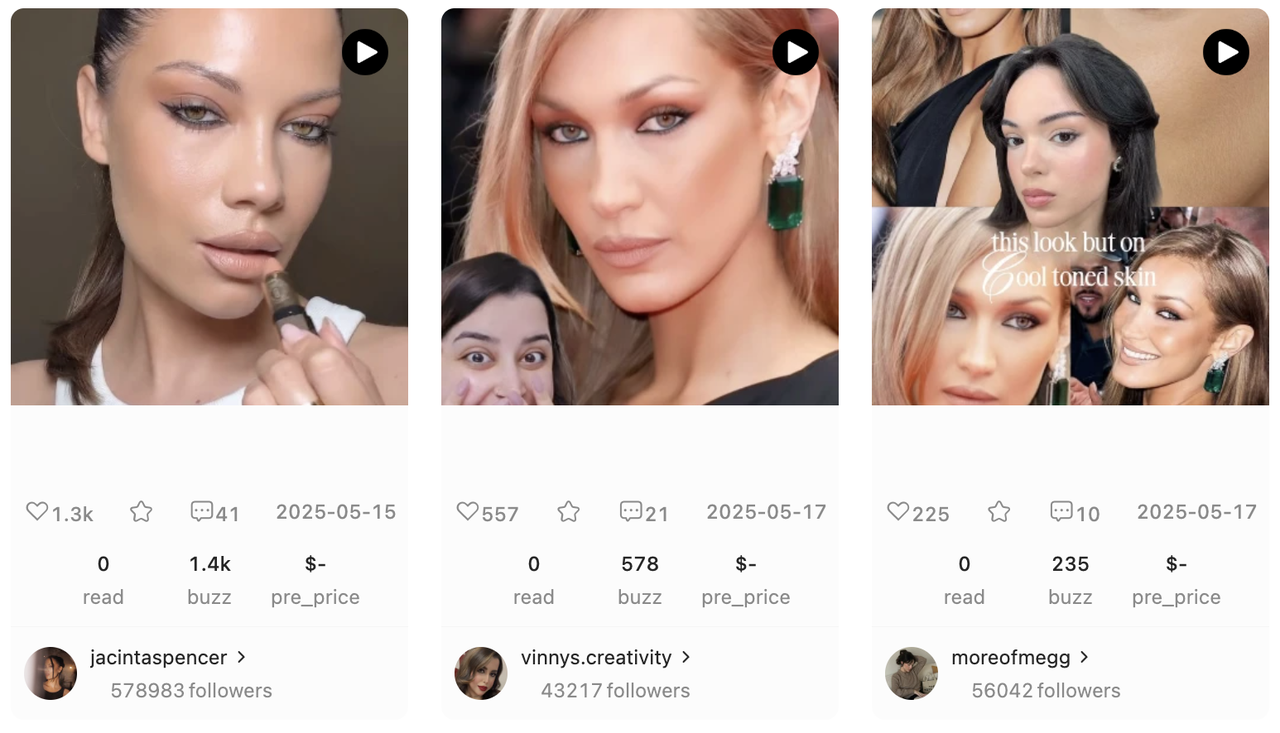
- Sparked massive interest from beauty creators.
- Influencers and professional artists on Instagram began posting tutorials and recreations.
- Tag volume and engagement: surged within 24 hours of her appearance.
Viral Collab Example: Colorpop × @indigotohell
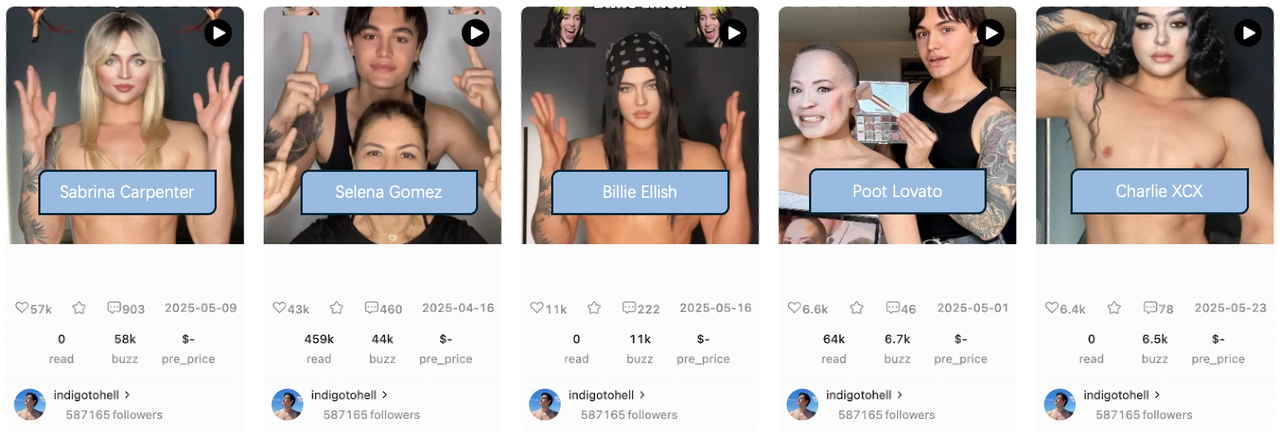
- Content Format: Creative celebrity-style parody makeup (e.g., female celebrity faces + bodybuilder body).
- Engagement: Each post garnered exceptionally high reach and saved counts.
- Marketing Insight: Collabs with edgy creators amplify campaign visibility and authenticity.
Concert Makeup: A Stage for Self-Expression and Brand Activation
What Makes Concert Makeup So Shareable?
| Feature | Description |
| Visual Drama | Eye-catching looks like glitter eyes, neon liners, and rhinestones perform well under stage lights and on-screen. |
| Fan-Driven Creativity | Fans replicate their idol’s look or design inspired versions to attend concerts—turning makeup into a badge of loyalty. |
| Social Media Virality | Selfies, tutorials, and hashtags trend rapidly. Looks are optimized for Reels, TikTok, and Stories. |
| Marketing Opportunity | Concert seasons offer fertile ground for themed product drops, influencer activations, and co-branded kits. |
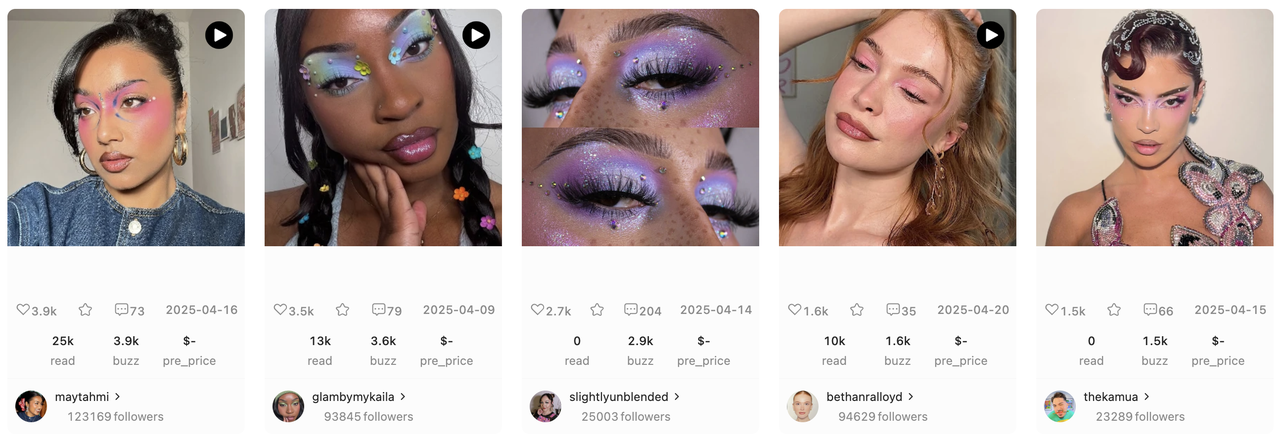
Implications for Brands
- Limited-edition tour-themed makeup kits aligned with artist styles (e.g., glitter palettes, bold lipsticks).
- Collaborations with fan makeup creators boost engagement and credibility.
- Timely releases around concert tours drive urgency and social sharing.
Subcultural Makeup: Bold Looks from the Fringe Going Mainstream
A third major source of non-everyday makeup inspiration stems from subcultural aesthetics—including Gothic, cosplay, Y2K, e-girl, and retro pin-up styles. These looks are often deeply expressive, visually striking, and rooted in identity, community, or fantasy. They challenge mainstream beauty norms and create highly distinctive visual codes.
Key Features: Identity-Driven and Visually Iconic
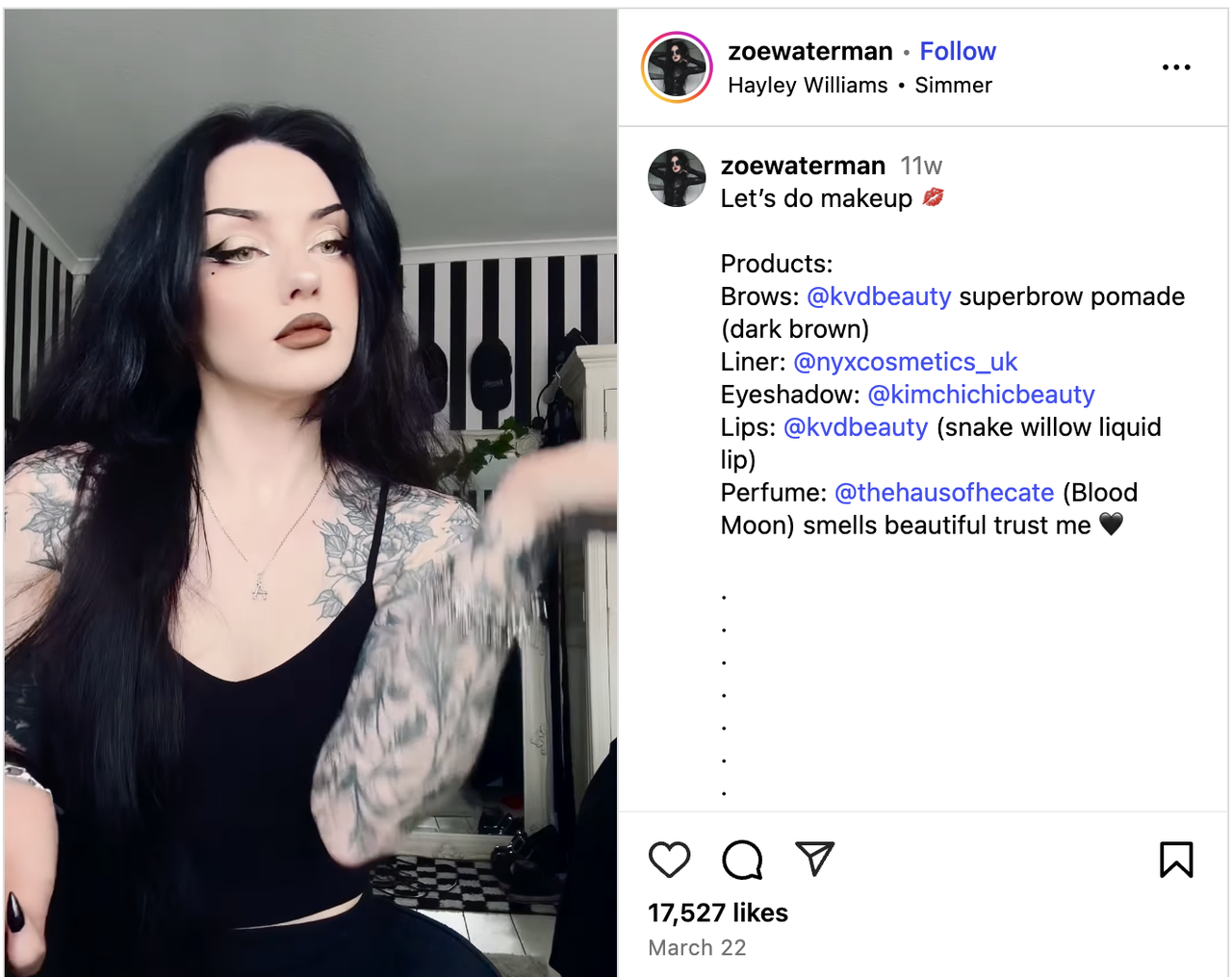
- Gothic Makeup: Characterized by dark lipsticks, smoky or exaggerated eye looks, pale foundations, and a dramatic, melancholic tone. Often linked to rebellion, mystery, and nonconformity.
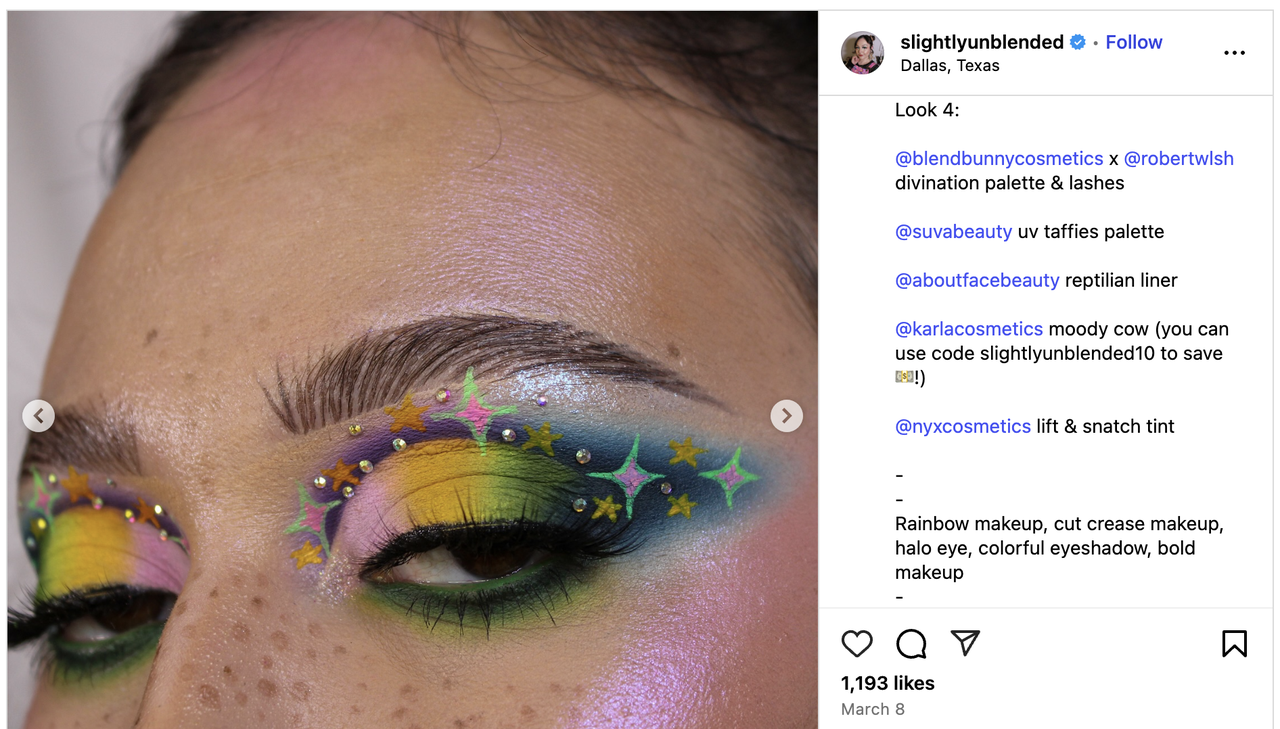
- Cosplay Makeup: Focused on character transformation, featuring large-eye illusions, vivid colors, anime-inspired blush, false lashes, and themed accessories. Often appears at conventions or in themed content online.
- Y2K / E-Girl Aesthetics: Combines early-2000s pop culture with TikTok-native elements—think graphic eyeliner, pastel cheeks, heart-shaped stickers, and shiny gloss.
- Pin-Up Retro Makeup: Inspired by vintage femininity and empowerment, with signature red lips, sharp winged eyeliner, and polished hairdos.
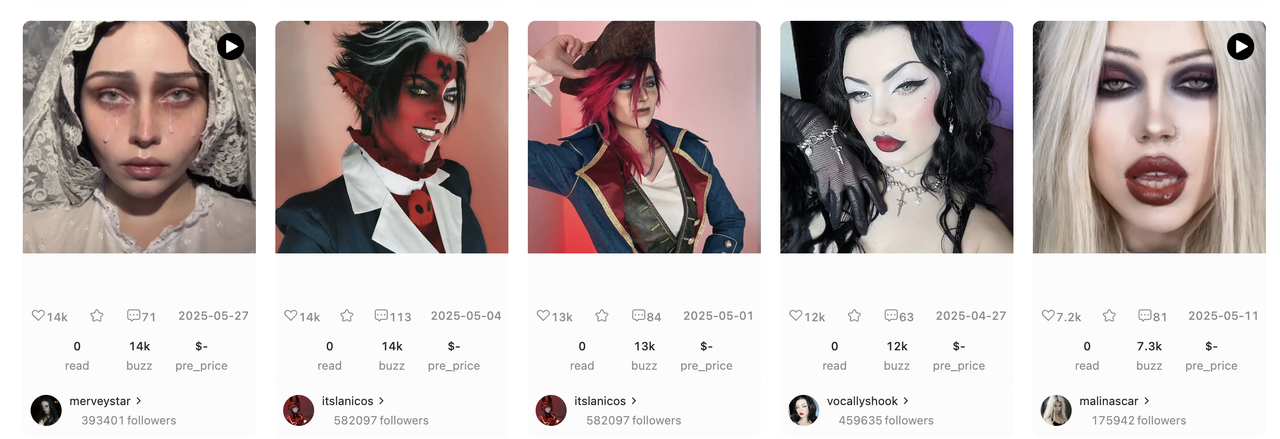
Social Media Impact: From Niche to Viral
- These looks often originate in niche communities or hashtags on Instagram, but many have transitioned from subculture to trend. For example, usage of the hashtag #GothMakeup on Instagram surged over 350% from April to May 2025, gaining particular traction among Gen Z creators and gender-fluid influencers.
Brand Case Studies: Embracing Subcultural Power
- NYX x Cosplay Collaborations: During the 2025 Anime Expo, NYX partnered with top cosplay creators to launch anime-inspired palettes and limited-edition glosses, generating over 1 million engagements on Instagram.
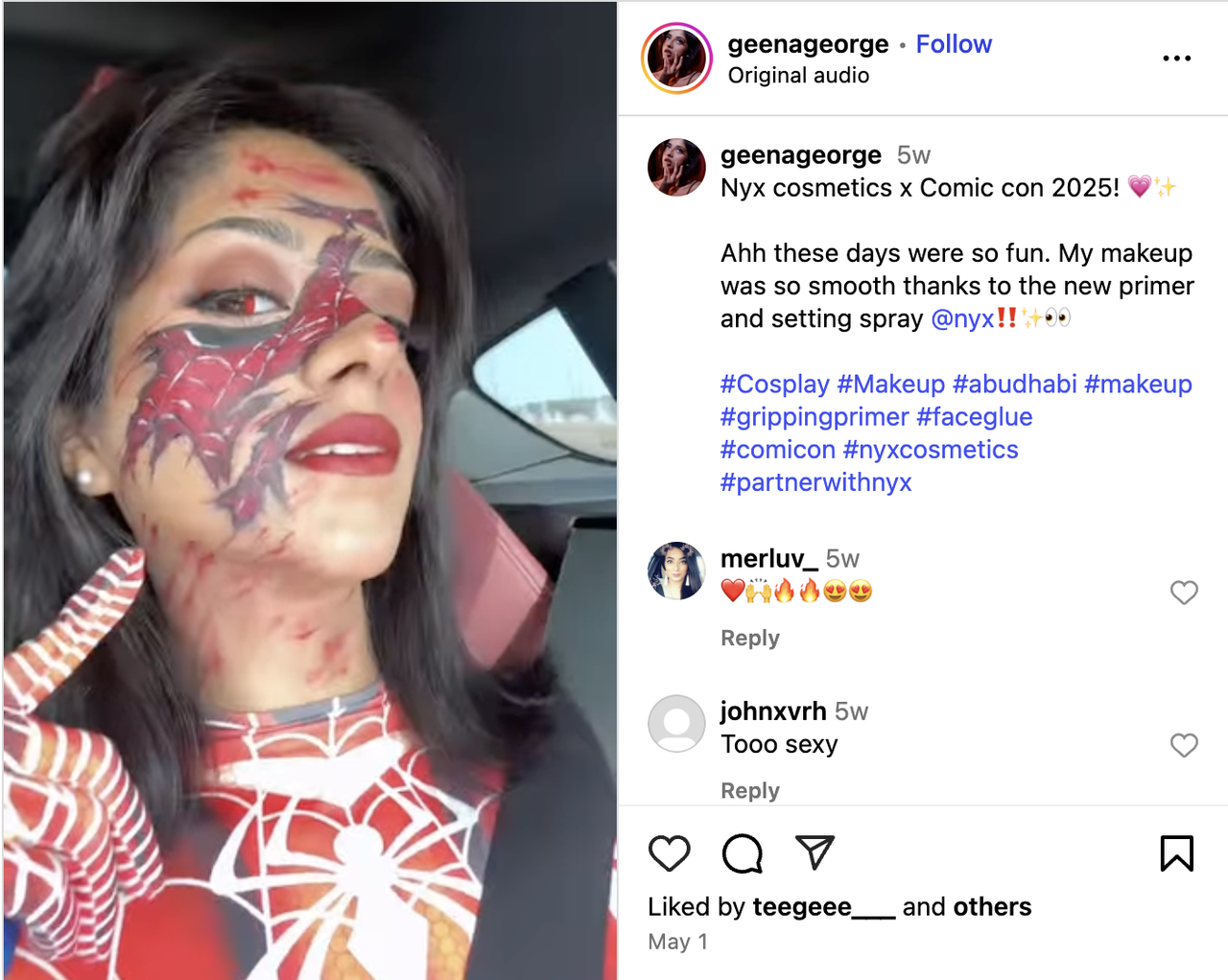
- KVD Beauty: With its roots in Gothic aesthetics, KVD has maintained a consistent presence in the subcultural makeup scene, sponsoring goth-influencer content and reinforcing its edgy identity.
- SUVA Beauty: Known for neon liners and experimental pigments, SUVA targets e-girl, drag, and festival aesthetics, offering stage-worthy products that encourage playful self-expression.
Marketing Value: Niche but High-Impact
Although subcultural styles may not dominate the mass market, they boast highly engaged, loyal, and expressive communities. For Gen Z and Alpha consumers, these makeup looks aren’t just for costume—they’re a part of daily identity. This opens up strong marketing opportunities for brands looking to:
- Tap into high-UGC potential (user-generated content)
- Engage with emerging cultural micro-trends
- Leverage non-traditional retail seasons (e.g., Halloween, anime conventions, cosplay events)
- In short, subcultural makeup is not just a fringe movement—it’s a vibrant, influential force in today’s non-everyday beauty landscape.
Summary
While natural and everyday makeup remains dominant, bold non-everyday makeup is gaining momentum as a form of self-expression and cultural participation. Red carpet events, concerts, and subcultural communities each contribute to the rise of visually striking, artistic looks that spark massive engagement on platforms like Instagram. From celebrity-inspired recreations to cosplay transformations and gothic aesthetics, these styles drive creativity, influencer content, and niche marketing opportunities—highlighting the growing potential of statement makeup in the color cosmetics market.
You Might Also Like
New to YOOX? Enjoy an Extra 10% Off Your First Order
READ
The Hush End of Season Sale Is Here: The Fashion Staples Worth Adding to Your Wardrobe Now
READ
The Biggest Live Events of 2026: Where Fans Are Finding Tickets for Concerts, Sports, and Entertainment
READ
Unwrap Luxury: Liberty London's Black Friday Beauty Gifts Are Here!
Indulge in Iconic Scents, Skincare & Sparkle—Up to 30% Off!
READ